Table of contents
Airlines are stricter, trails are busier, and the “just in case” mindset has started to look expensive, and exhausting. Across outdoor sports, city breaks, and multi-day road trips, minimalist packing is moving from niche philosophy to mainstream habit, powered by baggage fees, ultralight gear innovation, and a growing preference for experiences over belongings. The payoff is measurable: less time managing stuff, fewer decision points, and more freedom to improvise when weather, transport, or plans inevitably shift.
Less weight, more day in your trip
Minimalist packing sounds like aesthetics until you put a number on what it changes. Every added kilogram carries a tax: slower transfers, longer pack-unpack cycles, and more fatigue by mid-afternoon, when most travelers want sharper attention for a summit push, a museum marathon, or a late reservation. Outdoor research often frames this as an energy equation, and while exact “cost per kilo” varies by terrain and fitness, the direction is consistent: heavier loads increase exertion and can shorten effective activity time. On a travel day with two connections, a heavier bag also extends the “dead time” spent in logistics, because elevators, cobblestones, station stairs, and crowded buses punish bulk more than distance does.
The travel market has quietly reinforced this logic. Low-cost carriers in Europe have normalized a base fare that excludes larger cabin luggage, and airlines have increased enforcement at gates, making bag size and weight a budgeting variable rather than an afterthought. That changes behavior: travelers who used to default to “one big suitcase” now treat baggage as a decision with a clear price tag, and that price tag competes directly with experiences, whether it is a day tour, a show, or a special dinner. Minimalism, in practice, becomes a reallocation strategy: spend less on transporting possessions, and spend more on what you came to do.
There is also a reliability benefit that rarely gets credited. Lost luggage does not ruin every trip, but when it happens, it disproportionately hits short itineraries, where replacement time is scarce. Keeping essentials in a compact carry-on reduces exposure to mishandling and short connections, and it makes it easier to stay mobile if a train is cancelled or a reroute appears. The less you carry, the more you can say yes, and the more you can change plans without paying for it in stress and sore shoulders.
The psychology of packing light really works
Packing is not just a logistical exercise; it is a cognitive one. The more items you bring, the more micro-decisions you create each day: what to wear, where to store, what to wash, what to repack, what to keep accessible. Decision fatigue is not a buzzword when you are navigating a new city on little sleep, reading signs in another language, and coordinating bookings, and it shows up as avoidable friction. Minimalist packing reduces the number of choices, and it makes routines automatic, which frees attention for the environment, the people, and the purpose of the trip.
That psychological shift is why minimalist travelers often report feeling “more present,” even when they are doing more. There is less time spent reorganizing a room, less anxiety about leaving valuables behind, and fewer moments where you are forced to backtrack because you forgot something in the hotel safe. The simplicity also lowers the emotional stakes of movement: when everything fits neatly, you are less likely to postpone a detour because “it’s too much hassle,” and that is how you end up taking the scenic route, stopping at a small vineyard, or catching the last entry slot at a gallery you did not plan for.
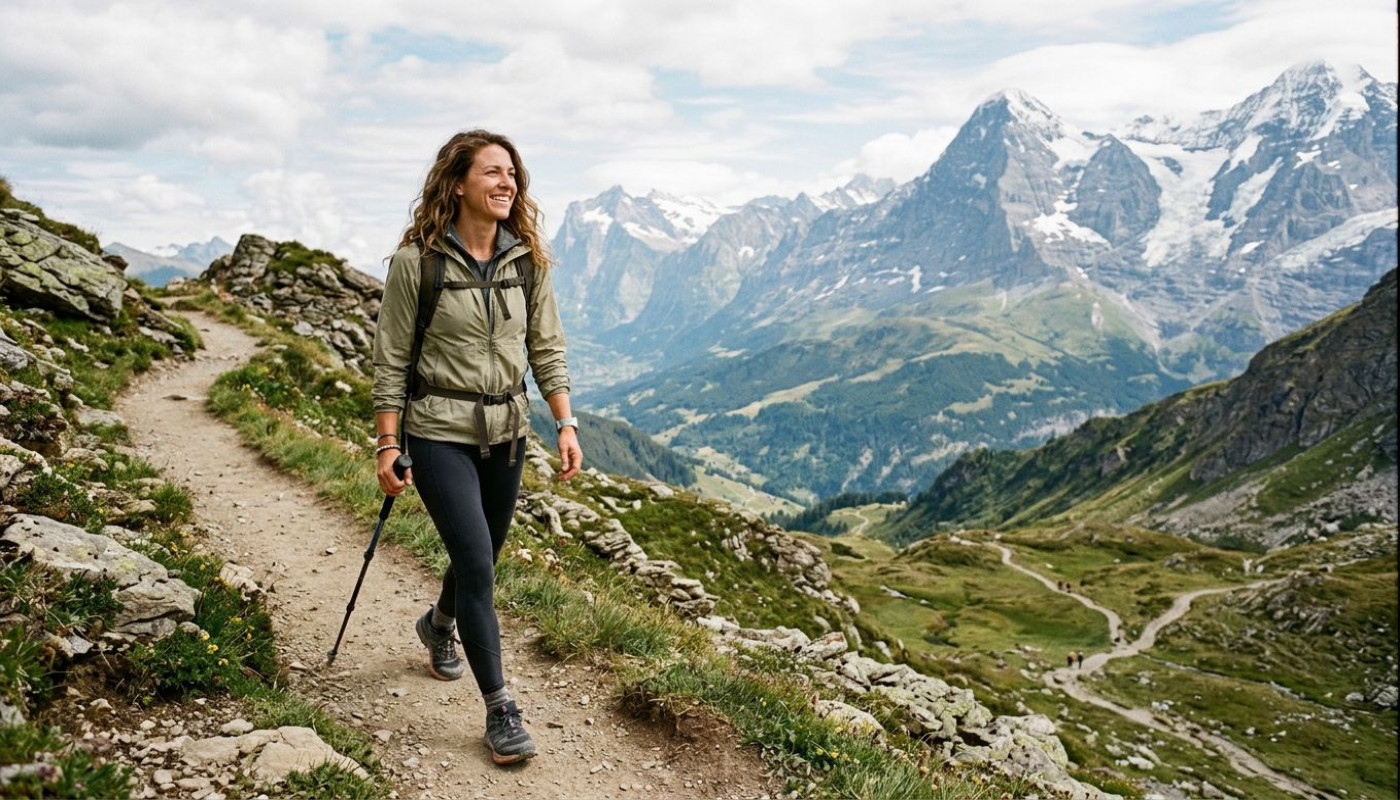
Minimalism does not mean deprivation, and the strongest version of the approach is deliberately functional. It relies on tight combinations, proven layers, and items that work across contexts, from a train platform to a ridge line. A light kit makes it easier to switch from day to night without carrying a second wardrobe, and it also supports safety because you can reach essentials quickly: rain shell, water, headlamp, a small first-aid kit. The point is not to prove discipline; it is to remove unnecessary complexity so the actual adventure, the part you will remember, gets the attention it deserves.
Gear got smarter, and smaller
Minimalist packing has benefited from a quiet revolution in equipment. Over the past decade, outdoor brands and travel specialists have pushed lighter textiles, more efficient insulation, and compressible designs into the mainstream, and even budget-friendly lines now borrow ideas from technical gear. A jacket that packs into its own pocket, a quick-dry base layer that can be washed in a sink, and footwear that works for both long walks and casual dinners can reduce volume dramatically. The same is true for electronics: one USB-C charger can replace a pouch of adapters, and multi-port charging has made it easier to travel with fewer bricks and cables.
At the same time, consumer habits have changed. More accommodations offer laundry access, and even when they do not, urban areas have dense networks of laundromats and same-day services, which makes “carry a week, wash once” a realistic pattern. That reality undermines the old logic of packing for every possible scenario, especially for trips that include cities with reliable services. When you can wash on day four, packing seven complete outfits becomes a legacy habit rather than a necessity, and once travelers test the lighter approach, they rarely go back.
However, smarter gear only helps if it is matched to the trip’s rhythm. A minimalist kit for an alpine hike is not the same as one for a festival weekend, and a business-heavy itinerary requires different compromises than a long-distance trek. The most effective strategy is to build a modular core, then add one or two “mission items” that define the experience: climbing shoes, a camera lens, a formal outfit, a snorkel set. Everything else should earn its place by serving multiple roles, and if it cannot, it is probably dead weight.
City adventures thrive on flexibility
Minimalist packing is not just for the wilderness; it can transform how you experience a city. When you are moving through historic centers with uneven streets, climbing metro stairs, and squeezing into packed trams, a small bag changes the day’s pace. It also makes spontaneous plans realistic: you can check out early, store a compact bag, and still enjoy hours of exploration before a late train. That flexibility matters in destinations where the best moments arrive unexpectedly, whether it is a pop-up concert, an open-air market, or a sudden invitation from locals.
In Central Europe, where cities can be walked deeply and quickly, the benefits compound. Bratislava is a case in point: compact enough to cover on foot, connected enough to pair with nearby regions, and lively enough that the evening can become as important as the afternoon. Travelers who pack light can do more in a single day, because they are not anchored to a hotel room by luggage. They can switch from a riverfront stroll to a hilltop viewpoint, then into an escape room booking without calculating how to “manage the stuff” in between. If you are planning a structured activity with friends or family, and you want a simple way to lock in a time slot, you can browse https://www.bratislava-escape.com/ and organize the session around your itinerary, not around your bags.
This is where minimalist packing has an underrated social advantage. Groups move at the speed of the slowest logistics, and logistics often means luggage, because one oversized suitcase can dictate which streets you take, whether you can use public transport, and how quickly you can pivot when a plan changes. Packing light reduces those constraints, and it keeps the group’s energy focused on the shared experience rather than on coordination stress. In a world where travel time is precious and schedules are fragile, flexibility is not a luxury; it is a competitive edge against missed opportunities.
Plan Your Bag, Then Your Budget
Build a tight packing list, then reserve key activities early, especially on weekends and holidays. Keep a small buffer for baggage fees, lockers, and last‑minute transport changes, and check local discounts or city passes where available. Packing light saves money, but smart booking saves time, and time is the real currency of adventure.
Similar articles
Lost, Found, And Inspired: How Unplanned Detours Shaped My Perfect Itinerary
Are Your Itineraries Limiting Your Adventure Potential?
From Thrill-seeking To Soul-searching: Redefining Travel Activities

How To Choose The Perfect Luxury Stay For International Events?
Unveiling The Thrills: Top Adventure Activities For Thrill-Seekers
How To Choose The Best ESIM For Your Caribbean Travels?

Exploring The Benefits Of Chartering A Sailboat Without A Skipper

Exploring Hidden Culinary Gems: Discovering Local Foods While Traveling